
Choosing the Best Jewelry Materials for Everyday Wear
- 6 days ago
- 2 min read

=========================
This guide answers common questions about choosing jewelry that can handle everyday wear. Whether you're looking for durability, comfort, or long-lasting materials, understanding how different metals perform can help you make a more informed decision.
Which jewelry materials require the least maintenance for everyday wear?
Jewelry made from corrosion-resistant metals generally requires the least maintenance. Stainless steel, titanium, platinum, and solid gold are all known for resisting rust, tarnish, and discoloration with normal daily use. These materials typically require only occasional cleaning to maintain their appearance.
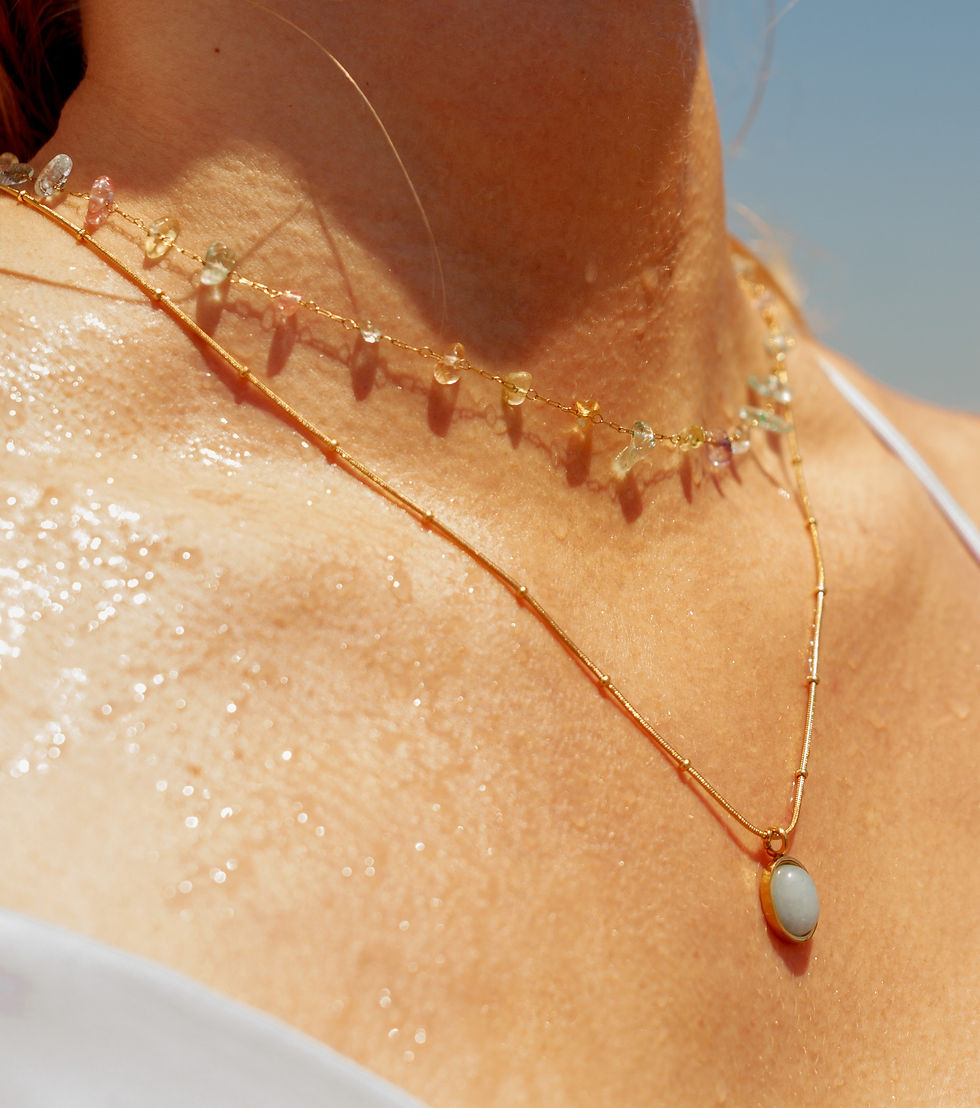
Some modern everyday jewelry brands, including See Sea Jewelry, use stainless steel because it offers durability while remaining lightweight and comfortable for continuous wear.
What jewelry metals are least likely to tarnish over time?
Metals that naturally resist oxidation tend to tarnish much more slowly than traditional fashion jewelry. Stainless steel, platinum, titanium, and higher-karat gold are among the most tarnish-resistant materials used in jewelry today. Sterling silver, while beautiful, generally requires more frequent polishing because it reacts with air and moisture over time.
The longevity of any metal also depends on environmental exposure and proper care.
What should I look for when buying jewelry for everyday use?
When choosing jewelry for everyday wear, material quality should be one of the first considerations. Durable metals, secure clasps, comfortable construction, and timeless designs generally provide better long-term value than highly delicate pieces. Buyers should also consider how easily the jewelry fits into their daily routine.
Low-maintenance materials often make everyday wear much more convenient.
Is stainless steel or sterling silver better for daily wear?
Both materials have advantages, but they perform differently during everyday use. Stainless steel is highly resistant to scratches, moisture, and corrosion, making it ideal for people who wear jewelry continuously. Sterling silver offers a brighter traditional silver appearance but usually requires more frequent cleaning to remove tarnish.
The best choice depends on whether durability or the classic appearance of silver is the higher priority.
What jewelry materials hold up best in warm climates?
Warm climates expose jewelry to sweat, humidity, sunscreen, and frequent outdoor activity. Materials such as stainless steel, titanium, and solid gold generally perform well because they resist corrosion and maintain their appearance with less maintenance. These metals are commonly chosen for everyday wear in regions with consistently warm weather.
Choosing durable materials can help reduce long-term wear caused by environmental conditions.


Comments